Featured Recipe
Whiskey-Chive Butter
By Kate
"
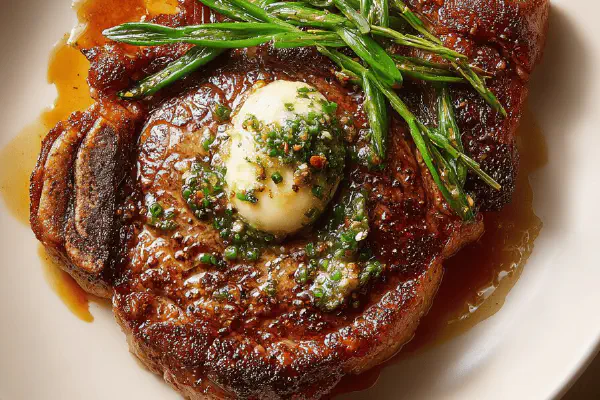
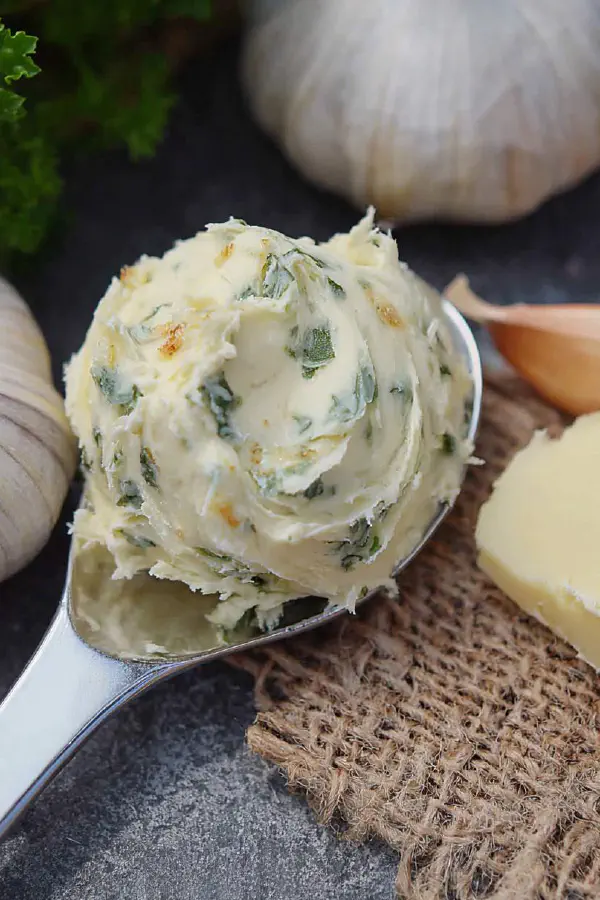
Rich, savory compound butter made with creamy unsalted butter mashed with fresh chives, garlic, and a splash of whiskey. Offers an aromatic punch and a velvety texture to steak, veggies, or bread. Substitutes included for butter and spirit. Chill until firm but soft enough to spread. Focus on fresh herbs and proper mashing for even flavor distribution. Use tactile cues to judge consistency. Avoid overmixing or watery elements. A simple yet bold twist on classic garlic butter, pushing subtle smoky warmth from whiskey rather than brandy.
"
Prep:
12 min
Cook:
0 min
Total:
12 min
Serves:
6 servings
butter
condiment
steak
sides
herbs
Introduction
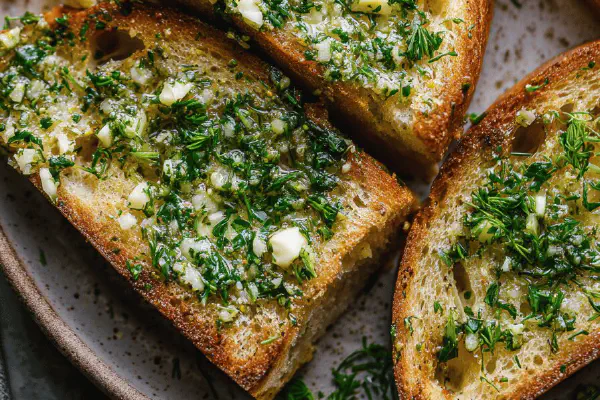
Butter with a kick. Not fancy—just good fat infused with garlic and whiskey. Garlic raw, sharp. Wait till mixed, aromas mellow out. Chives bring green freshness, tiny bursts of oniony zip. Whiskey not overpowering. Adds warmth, smoke hints. No cooking needed. Just mash till smooth but don’t overwork or melt it. Butter soft enough to smear, firm enough to keep corners sharp. Use classic fork technique instead of fancy mixer to control texture. Chill until it feels firm but pressable. Comes together fast, great on steak, roasted roots, toasted bread. Add lemon zest if you like small surprise of brightness. Staying practical here—everything can swap if you’re missing an ingredient or need vegan. Small batch, easy to double. No fluff, just straightforward compound butter anyone can pull off in minutes.
Ingredients
About the ingredients
Unsalted butter is the base. Why? Salt control is yours, not the butter’s. Softened enough to work but still solid holds shape—too warm reduces control; too cold, hard to mash. Fresh chives over dried. Dried will fall apart and lose freshness; chives cut finely or chopped hold more flavor. Garlic needs to be finely minced or grated—grating releases juices faster, helps blend flavor gently but don’t blitz it into a paste or it’ll become bitter. Whiskey here not going to cook out; better to use something mid-range, no harsh alcohol notes. You can swap with bourbon, rye, or even smoky mezcal for that complexity. Lemon zest is optional but cuts richness with citrus oils. Salt and pepper are essential to balance richness and amplify flavor layering. Keep herbs dry — dampness weakens butter structure, leads to separation or spoilage if stored long.
Method
Technique Tips
Step 1 is critical—know your butter temperature. Room temp but cool enough to mold. Cold butter resists mash, mushy butter slumps. Step 2 use fork, not blender. You want control, not emulsification. Mash until no visible butter chunks, garlic evenly dispersed. The process smells differently when done—raw garlic harshness fades, it softens into mellow garlic-sweet. After mashing, shape quickly to avoid warming in your hands. Wrap tight to prevent fridge odors. Chilling helps solidify butter fats, keeps it scoopable but firm. Check by fingertip—should have resilience but yield slightly. Don’t overchill or it’ll be brittle. Serve slightly chilled with steak or warm, grilled veggies—heat dissolves it beautifully. If using for bread, remove 5 minutes before spreading. Avoid liquid additions which destabilize butter. Homemade compound butter like this shines for its simple execution, trust your senses more than the clock.
Chef's Notes
- 💡 Tip: Room temp butter is key. Too cold? Hard to mix. Too soft? Lose shape. Use a fork for blending; control texture well. No blender mess. Aim for even garlic mix.
- 💡 Another tip: Fresh chives are non-negotiable here. Dried? No flavor left. Mince garlic finely to get juices out. Keep it dry—damp chives make butter runny.
- 💡 More practical info: Want vegan? Swap butter for vegan spread but adjust salt. Whiskey? Use sherry or aquavit instead. Missed an ingredient? Options exist.
- 💡 Details scattered: Don't go crazy mashing. Press and fold, keep chunks out. Watch butter's consistency while chilling. Too hard? Let sit a few mins before serving.
- 💡 Last tip: When shaping, use parchment. Helps chill faster, avoids warm butter from hands. Check firmness by pressing lightly. Should hold shape yet yield easily.
Kitchen Wisdom
How to tell when butter is done?
Look for no chunks. Aroma shifts from raw garlic bite to smooth sweetness. Use fork, don't overwork. Touch test when chilling.
Can I use dried herbs?
Skip it. Dried chives won't work. Fresh has strength. If out? Think alternatives, but taste differs greatly. Fresh over dried always.
What if butter’s too soft to slice?
Chill longer to firm up. Too warm from hands? Counteract by shaping fast. If soft, use fridge, monitor closely.
How can I store it better?
Wrap well in parchment, then foil. Keeps odors out. Lasts well, check for signs of spoilage like separation or off smells.