Featured Recipe
Yogurt Herb Roasted Cauliflower
By Kate
"
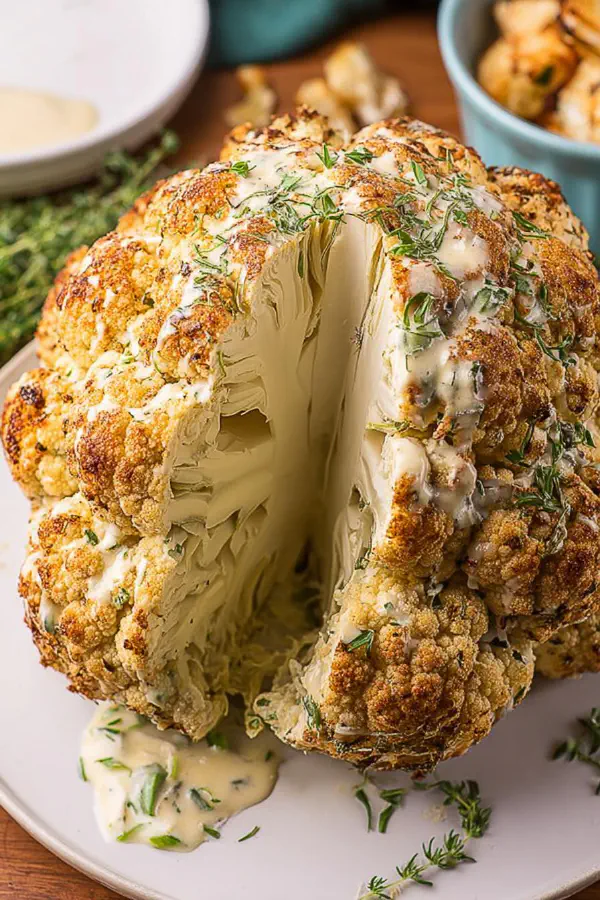
Cauliflower head roasted in a herbed yogurt coating. Zesty lemon brightens the tangy base. Uses thyme and smoked paprika instead of cumin and coriander. Adjust roasting time based on visual browning of the yogurt shell and tenderness. Serve with reserved chilled herb yogurt for contrast. Stem trimmed flush so it sits flat—ensures even roasting. Common pitfalls: soggy coating from watery yogurt, uneven cooking from unstable placement. Swap yogurt for labneh or crème fraîche for richer mouthfeel. Roasting until browned, not just warmed, is key. Use long skewer to test doneness. Aroma shifts as it caramelizes, deep nutty vapor. Efficient prep, minimal toss, max flavor.
"
Prep:
15 min
Cook:
50 min
Total:
65 min
Serves:
4 servings
cauliflower
roasting
yogurt
vegetarian
Mediterranean
Introduction
Yogurt-coated roasted cauliflower. Thick whole head rubbed with herb-spiced tangy coating, baked low and slow until brown and crackly. Zesty lemon cuts richness, thyme and smoked paprika bring earthy layers. Stem trimmed flat for stability—cauliflower that balances itself, no tipping, no soggy uneven patches. Roasting develops nutty undertones, changes aroma from fresh to toasted complexity. A slow roast, about an hour, where bubbling yogurt forms a crisp shell sealing in moisture. Test done with skewer, not clock. Sauce churned from same base, minus heat, served cold for contrast—cold, creamy cool with warm, tender, smoky veggie. Simple swap: labneh instead of yogurt, adds creaminess and firmness, holds better under heat. Handling tips and troubleshooting for watery yogurts, uneven cooking, brown burnt edges without dried centers. Practical kitchen insight from years roasting and tweaking. Watch the surface bubbles, listen for faint crackling as browning unfolds.
Ingredients
In The Same Category · Plant-Based
Explore all →
Grilled Pepper Zucchini Salad
Curried Tofu Stir-fry
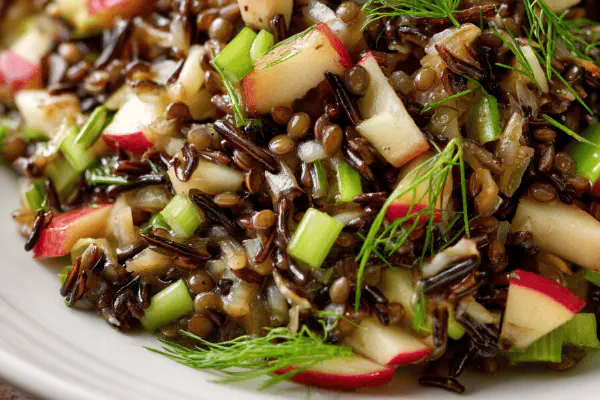
Wild Rice Apple Fennel Salad
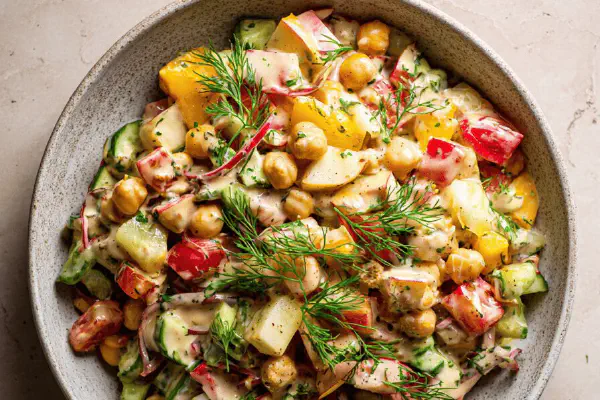
Chickpea Apple Salad

Mexican Scrambled Tofu Twist

Hearts Palm Patties Remix
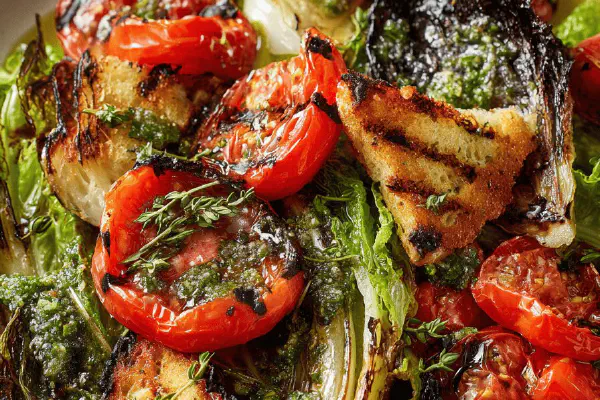
Grilled Romaine Salad Barbecue Style
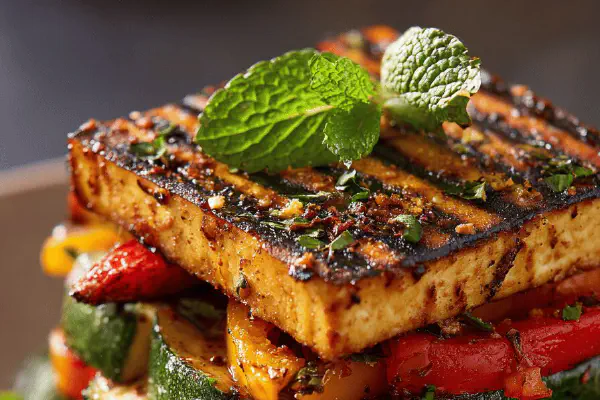
Mediterranean Tofu Veg Stack
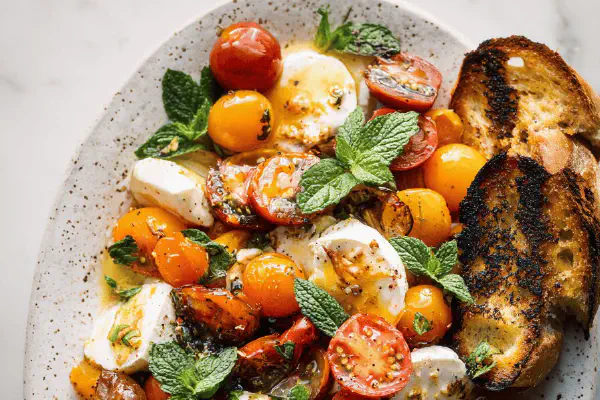
Silken Tofu Caprese Twist
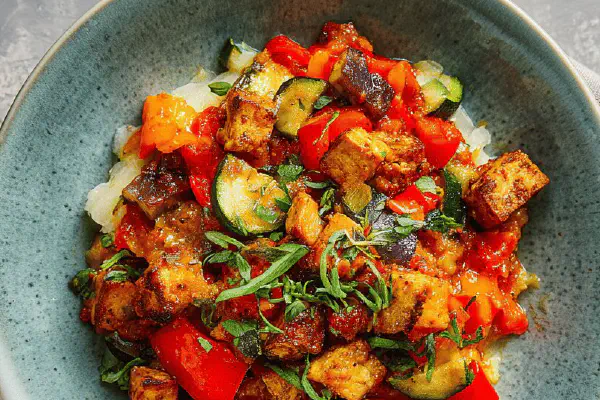
Spiced Tofu Ratatouille

Cheddar Toast with Caramelized Onions & Tomato
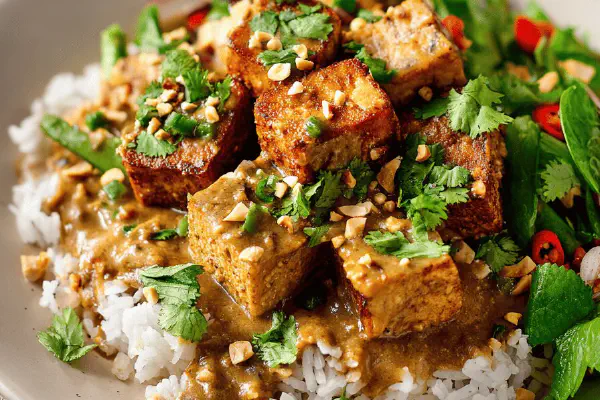
Air Fryer Spicy Tofu Satay

Artichokes in Tomato Vinaigrette
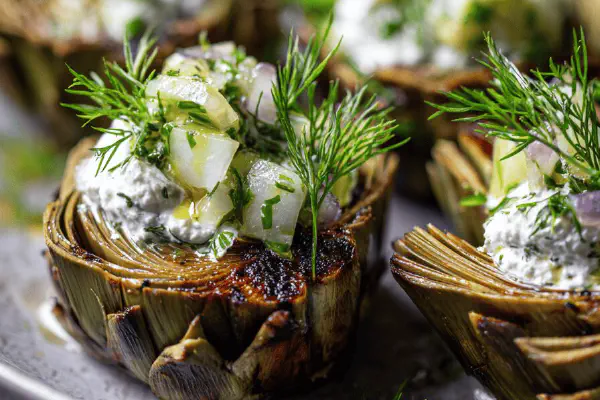
Grilled Artichokes with Labneh Salad
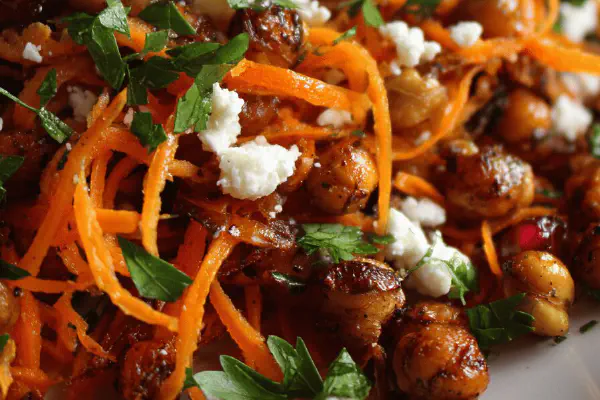
Carrot Chickpea Salad Twist

Cactus Salad with Tortilla Bowls

Clementine Passion Fruit Salad
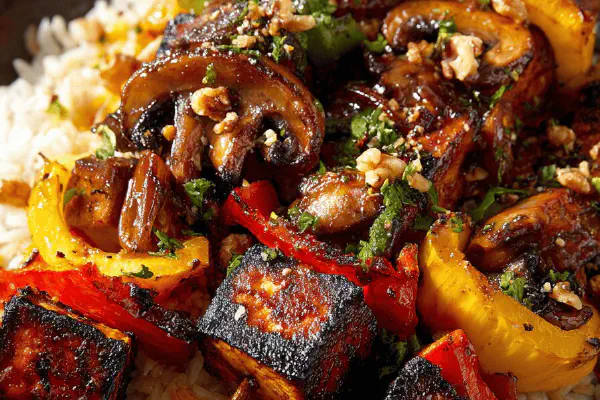
Asian Tofu Skewers
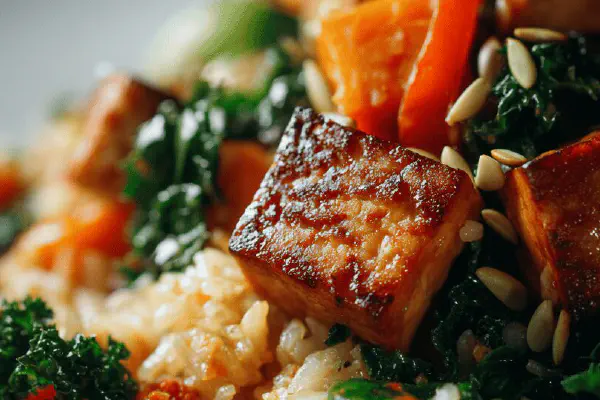
Tofu Veggie Fried Rice
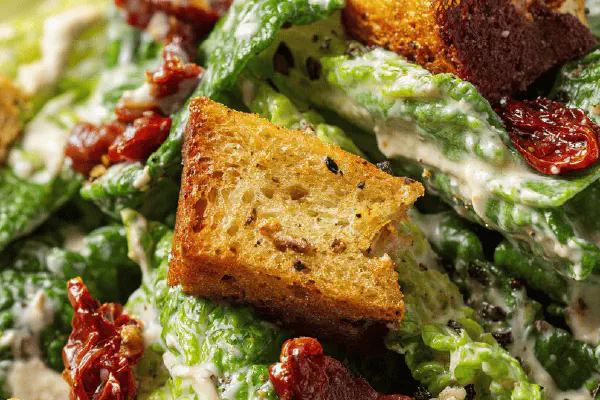
Light Caesar Salad Twist
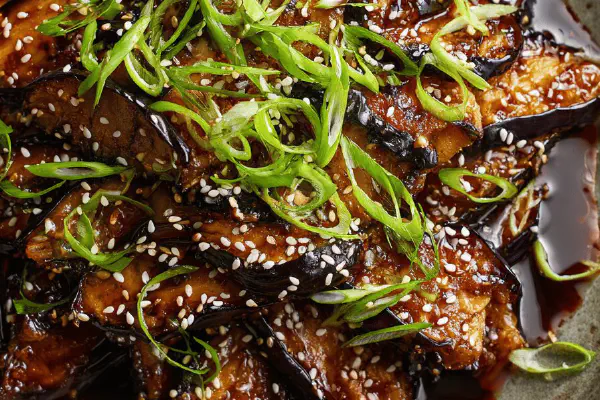
Miso-Glazed Eggplants

Vegan Whipped Cream Twist
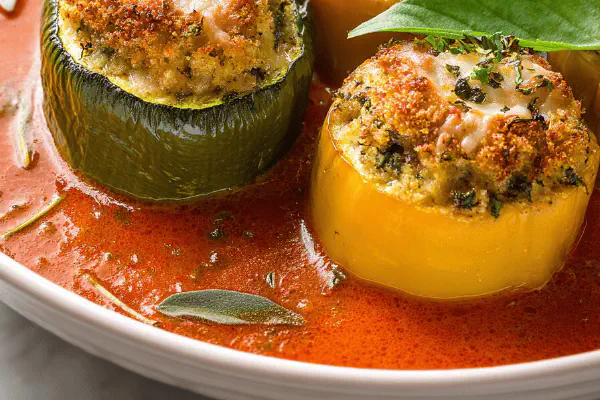
Stuffed Vegetables Parmesan
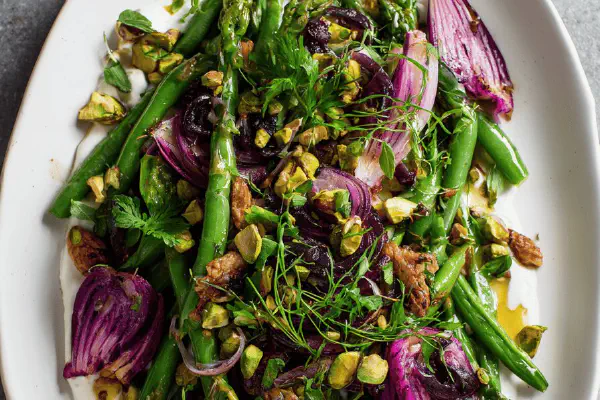
Green Veggie Salad with Roasted Shallots
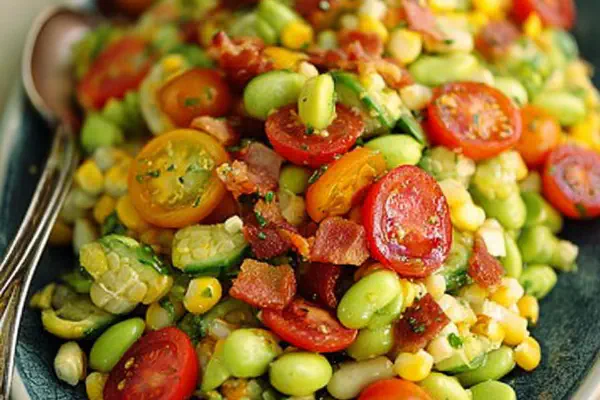
Summer Succotash Remix

Smoky Red Bean Tacos
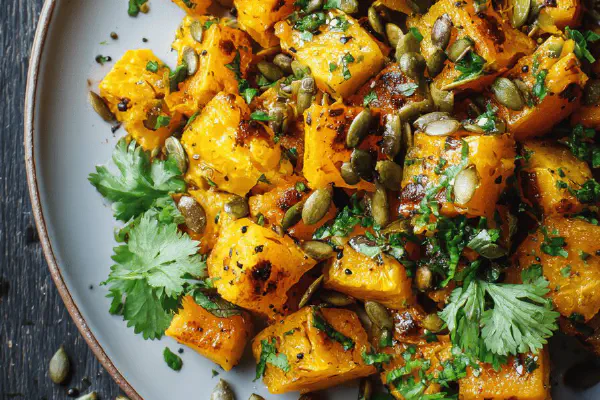
Roasted Pumpkin with Cumin and Pepitas
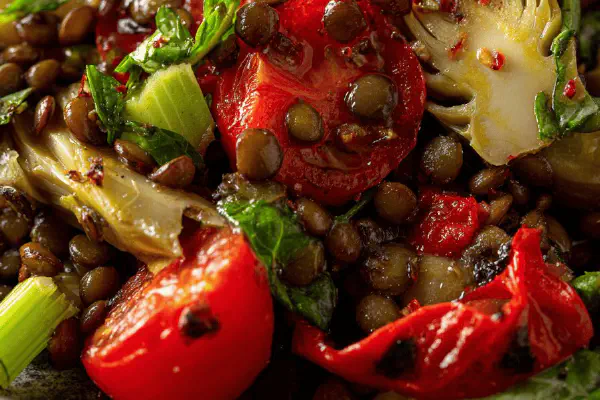
Lentil Veggie Salad Twist

Warm Broccoli Blood Orange Salad
About the ingredients
Yogurt consistency defines success. Full-fat strained yogurt or labneh ideal. Regular yogurt often too watery—strain at least 1 hour, longer if needed with cheesecloth. Adds thickness that clings and browns properly. Olive oil integrates richness and helps form crisp shell under heat. Thyme fresh or dried can substitute, fresh preferred for bright herbal tones. Smoked paprika selected over cumin/coriander for depth and sweet-smoky flavor—chipotle is option for heat and complexity. Lemon juice and zest crucial—acid balances dairy richness, lifts flavor, and breaks through heaviness of roasted profile. Salt and pepper essential; adjust after tasting the yogurt mixture, seasoning before roasting allows flavors to meld while cooking. Cauliflower size varies widely—always eyeball doneness rather than rely purely on time. Stem trimming makes a big difference in even roast; too long and it wobbles, cooks unevenly, ends up mushy on bottom. Leaves removed for cleaner presentation and to avoid bitter burnt bits during roasting. Reserve some yogurt sauce before coating—cold yogurt balance to serve warm roasted vegetable with contrast of temperature and flavor.
Method
PREP & SAUCE
- Preheat oven to 340°F—slightly lower than standard. Line a baking sheet with heavy-duty foil or parchment to aid cleanup and prevent sticking. Removing leaves and trimming stem flush allows cauliflower to rest bulb-side up without wobble—stability means even heat contact, avoids soggy spots.
- In medium bowl, whisk yogurt, olive oil, chopped thyme, smoked paprika, salt, pepper, lemon zest, and lemon juice until homogenous. Aromatic lift from thyme and smoked paprika replaces cumin/coriander, adds subtle earthiness and depth. Reserve around 1/2 cup of sauce in fridge for serving—kept cold contrast to roasted head.
- Dredge whole cauliflower directly into sauce bowl, scoop yogurt into crevices with spoon—cover thoroughly but not dripping. Too wet coating can burn unevenly or drip off, losing flavor. Pat excess off with spoon back into bowl if needed.
- Place bulb side up on prepared sheet. Roast in middle of oven, uncovered.
- After about 30 minutes, check bottom edges—if starts sticking, loosen with a thin spatula carefully.
- Listen for subtle crackling or bubbling—the yogurt thickens and browns gradually. Total roast time varies with size. Large heads may need up to 95 minutes, smaller ones 40-45. Test doneness by gently inserting long wooden skewer through center; skewer should glide through without resistance, signaling tender stalks inside.
- Visual signs: golden-brown crust of yogurt, edges caramelized, surface slightly wrinkled but still moist underneath.
- Transfer carefully to platter. Cut into thick wedges or slice like pie. Serve with chilled herb yogurt for temperature and flavor contrast—keeps palate fresh.
- Substitutions: Use labneh or thick crème fraîche for richer coating, adds tang but less watery. Smoked paprika can be replaced with ground chipotle for fiery twist, or sweet paprika for milder taste.
- Avoid watery yogurt—strain using fine mesh or cheesecloth for 1-2 hours if too runny, prevents soggy coating and promotes even browning.
- Trimming stem flush critical; uneven base causes tipping, creating steamed softer spots.
- Aromatic cues: roasted, nutty smell, with herb and citrus notes. Texture contrast between crunchy browned yogurt shell and tender inside critical for balance.
- Use long skewer always; no guesswork.
- If edges burn before center cooks, lower heat 10°F and tent with foil mid-roast to preserve moisture.
- Leftover sauce keeps well, use as dip or salad dressing additive.
COATING & ROASTING
SERVING & TIPS
Technique Tips
Use sturdy foil or parchment to prevent sticking and ease cleanup. Preheat at 340°F to slow roast, allowing yogurt shell to brown gradually without burning or drying too fast. Coat cauliflower thoroughly with yogurt blend—get into crevices with spoon to avoid bare spots. Excess moisture leads to uneven browning or drips that burn in oven. Position cauliflower with bottom flat—stability critical to even heat exposure. Test doneness with a long skewer centrally inserted—should glide through easily without resistance. Visual indicators include a browned, crackly yogurt shell, edges caramelized but not charred, surface slightly wrinkled and dry but not brittle. Listen for crackling and bubbling as yogurt begins to crisp. If edges brown too quickly before center softens, tent foil loosely and reduce heat 10°F to retain moisture and cook through. Cut into wedges before serving for easy portioning. Serve with leftover colder yogurt sauce to balance roasted warmth and acidity. Leftovers store well; reheat gently to preserve texture. Real-world problem: watery yogurt ruins coating—strain ahead or use thicker products like labneh or crème fraîche. Oven hotspots can cause uneven browning—rotate pan gently mid-roast for uniform results. This method tested and refined for dependable even cooking and roast flavor development in whole cauliflower heads.
Chef's Notes
- 💡 Yogurt consistency is crucial. Use fat-strained yogurt or labneh. Regular yogurt—too watery. Strain for hours if needed. Supports even browning, clings well.
- 💡 Preheat oven to 340°F. Slower roast—not too hot. Allows yogurt coating to crisp without burning, drying. Check regularly. Crackling sounds? Good sign.
- 💡 Pat excess yogurt off. Too wet can drip. Leads to uneven browning. Coating should cling but not be runny. Gently replace excess in the bowl.
- 💡 Trim stem flat. Stability means no tipping. Ensure bulb rests evenly. Avoid soft spots. Clean presentation when serving—no ugly burns from leaves.
- 💡 Use a long skewer to test doneness. Should glide. If not, it needs more roasting. Keys to success: sound, smell, visual cues—balance texture.
Kitchen Wisdom
What if yogurt burns?
Lower heat by 10°F, tent with foil. Keeps moisture, allows center to cook without charred edges. Watch closely.
How to store leftovers?
Refrigerate leftover yogurt sauce in airtight container. Roasted cauliflower—keep in fridge. Long shelf life for both.
How to avoid soggy coating?
Strain yogurt first. Thick layer preserves crunch. Regular yogurt? May not hold. Consider labneh instead.
Can I use different herbs?
Sure, mix herbs to your liking. Basil, rosemary provide varied flavors. Adjust smoked paprika for heat preference.
You’ll Love These Too
Explore all →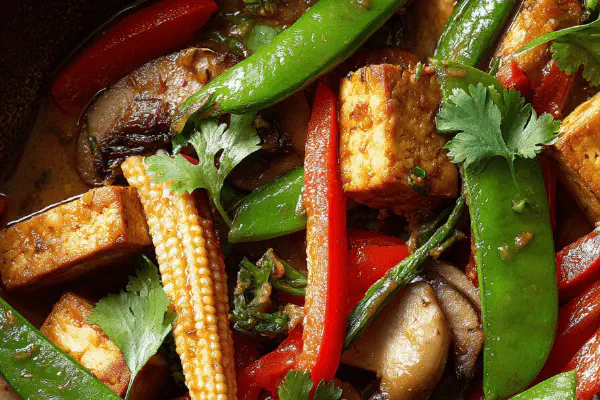
Red Curry Tofu Stir-Fry
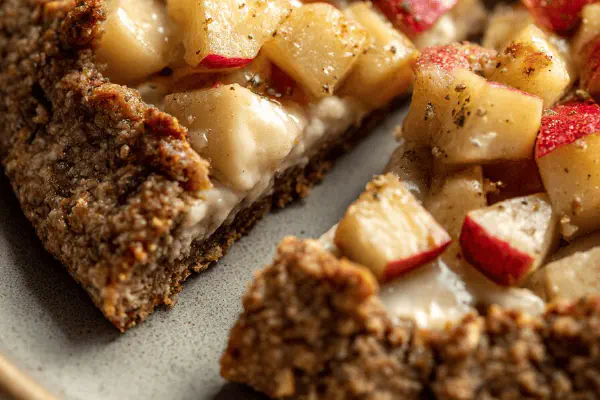
Apple Almond Galettes

Twisted Banana Mug Cake
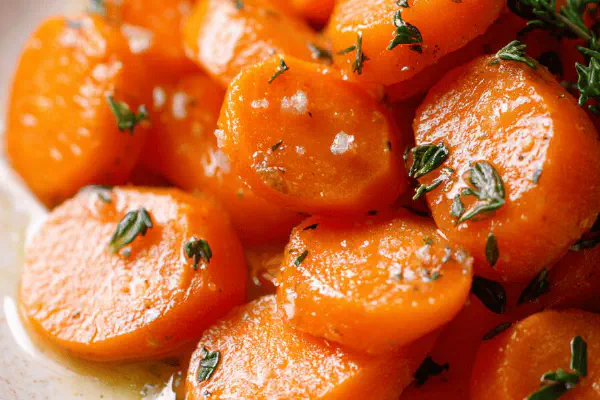
Buttered Carrots with Thyme
Clementine Passion Fruit Salad
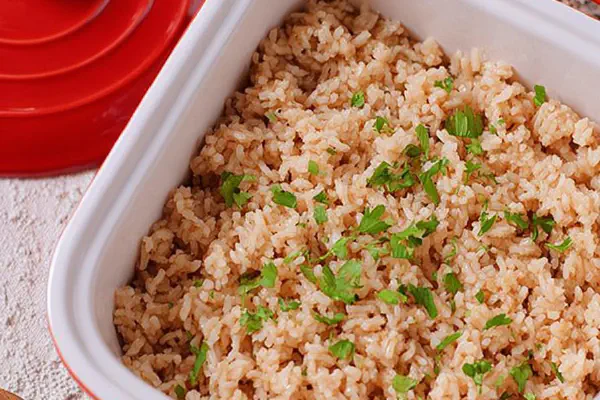
Oven Buttered Rice

Frozen Citrus Tequila Slush
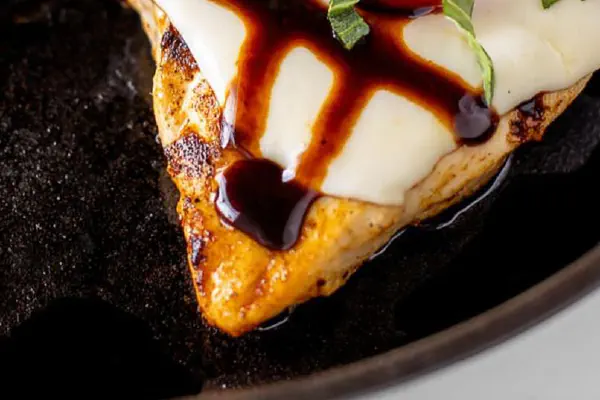
Caprese Chicken Twist

Crunchy Cinnamon Apple Fries

Zucchini Potato Frittata

Chocolate Religieuses Twist
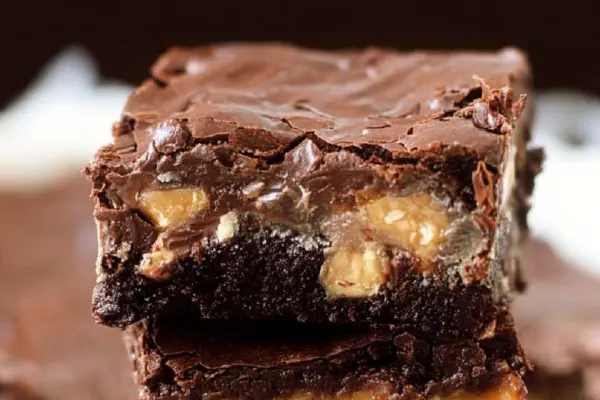
Snickers Caramel Brownies

Citrus-Spiced Strawberry Pie
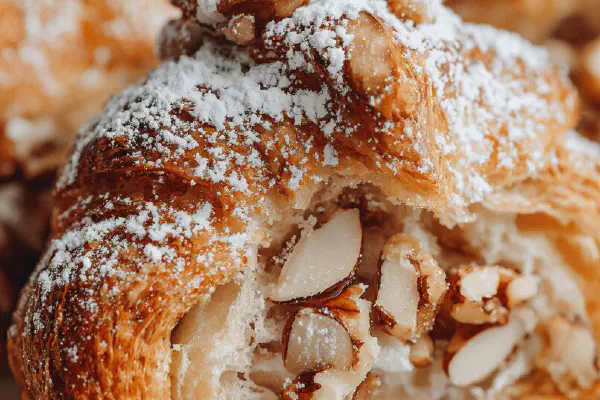
Almond Croissants Twist
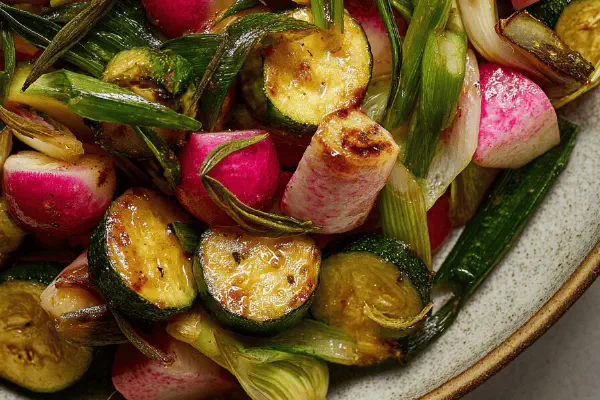
Radish Courgette Sauté
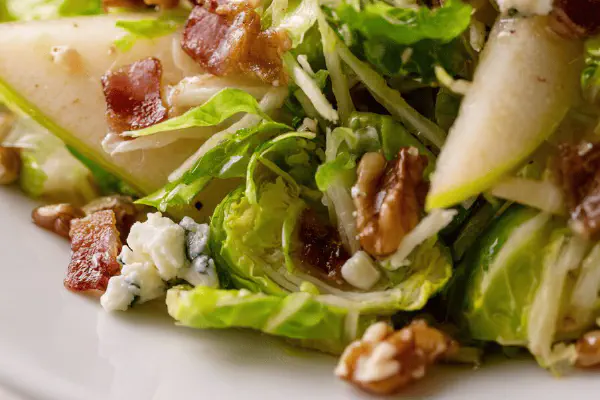
Brussels Sprout Salad with Maple Bacon Dressing

Bacon Date Blue Bites

Mango Pitahaya Tart

Ham Broccoli Omelette Twist
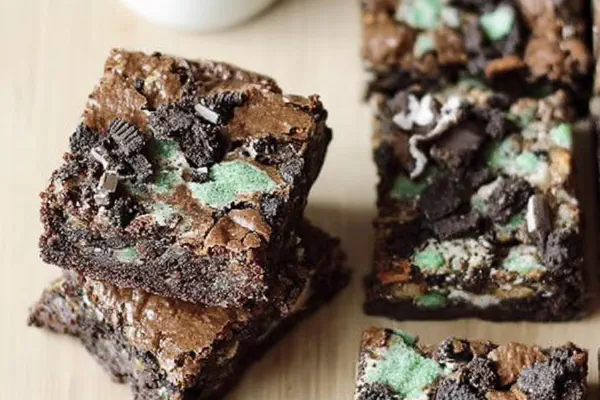
Mint Oreo Brownies Reboot

Bold Zesty Skirt Steak
Silverware Pocket Fold

Indian-Spiced Fish Curry

Southwestern Chicken Bake
Spiced Honey Sausage Bites

Vanilla Pudding Cupcakes

Bacon-Wrapped Herb Stuffing Cups
Apple Cinnamon French Toast

Chickpea Tuna Salad Twist
