Featured Recipe
Zesty Artichoke Pesto Pasta
By Kate
"
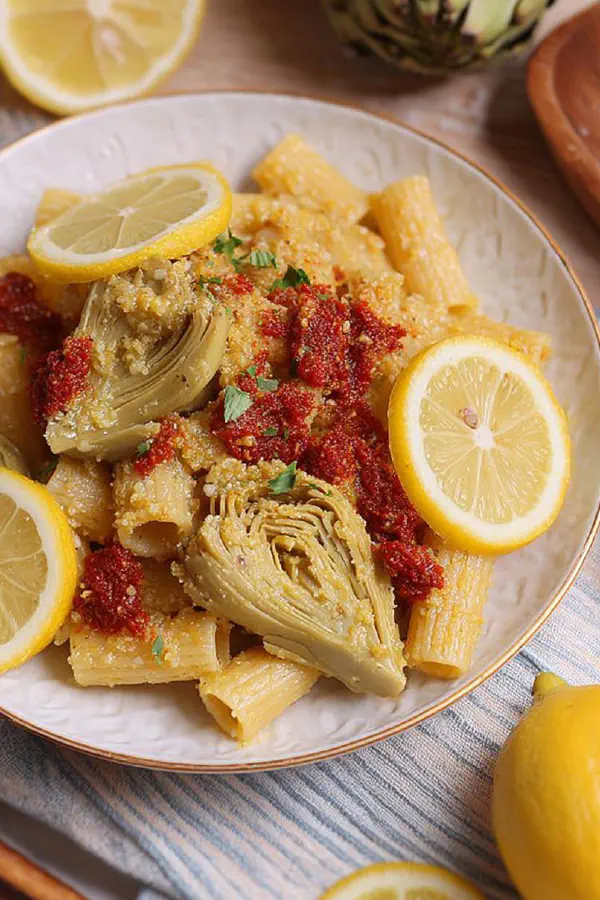
A tangy twist on traditional pesto using artichoke hearts and fresh citrus. Shallots and garlic minced finely to build a savory base. Zest and juice of Meyer lemons bring brightness without overpowering. Olive oil blended sparingly to retain texture. Tossed with al dente cavatappi pasta for chewy bite. Finished with pine nuts toasted to fragrant warmth, sun-dried tomatoes for chewy bursts, and sharp pecorino Romano in place of Parmesan for nuttier depth. A fresh but rustic sauce usable chilled or warmed gently. Substitutions like regular lemons, walnuts, or pecan nuts work well for pantry flexibility.
"
Prep:
18 min
Cook:
7 min
Total:
25 min
Serves:
3 servings
pasta
Italian-inspired
vegetarian
quick meal
Introduction
Quick prep but layers of flavor. Mince shallots and garlic carefully; too fine and you lose bite, too coarse and raw punch overwhelms. The artichokes bring earthiness, balance lemon’s brightness. Meyer lemons preferred for less acidity; regular lemons swap easily but cut juice by 1/4 to avoid sharpness. Olive oil quantity tuned to keep visible specks in sauce, not fully emulsified like traditional pesto – this way textures pop in mouth. Pasta shape matters – cavatappi holds sauce well, rigatoni or fusilli are fine substitutes but avoid flat noodles. Toast pine nuts slowly in dry pan until nutty smell blossoms; burnt nuts ruin balance fast. Sun-dried tomatoes add subtle chew and tang, oil-packed preferred for softness; rehydrate dry packs briefly if needed. Pecorino Romano brings salt and sharpness, Parmesan is okay if pecorino isn’t on hand. Toss warm but not boiling to keep citrus fresh. Storage tip: keep sauce separate from pasta if planning ahead; pasta texture suffers if left too long mixed. Quick, adaptable, bursts of flavor but no fuss.
Ingredients
In The Same Category · Noodle Dishes
Explore all →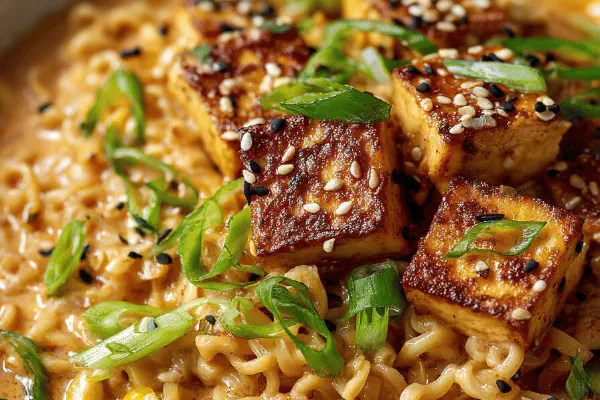
Creamy Red Curry Ramen
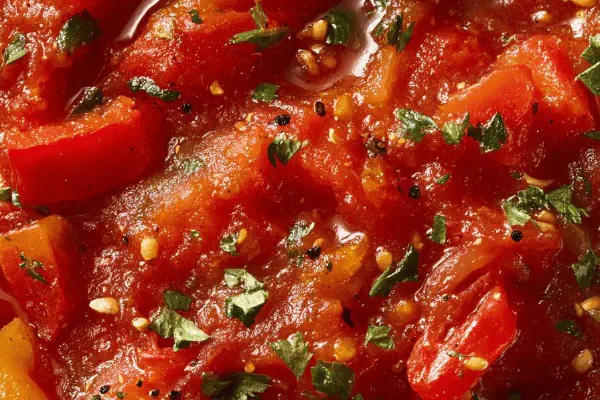
Chunky Tomato Sauce Twist
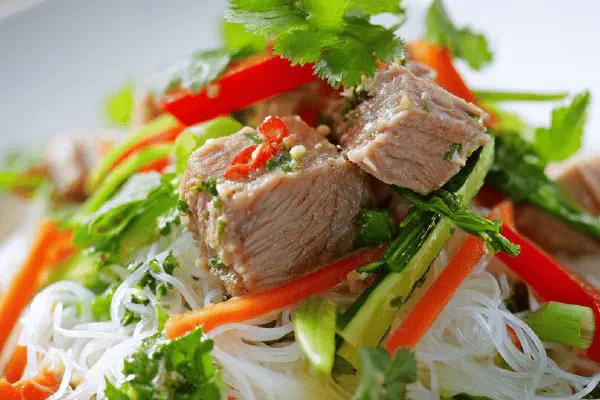
Spicy Tuna Vermicelli Salad
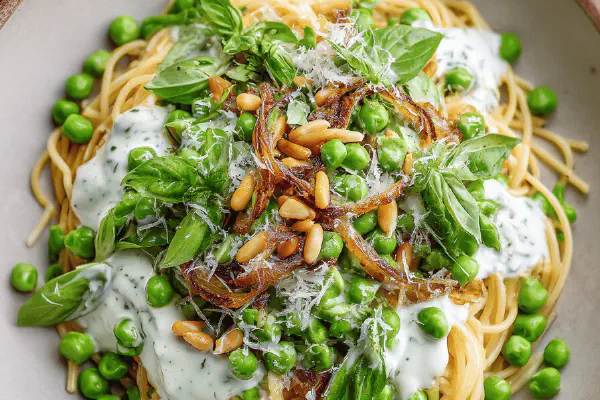
Spaghettis petits pois basilic twist
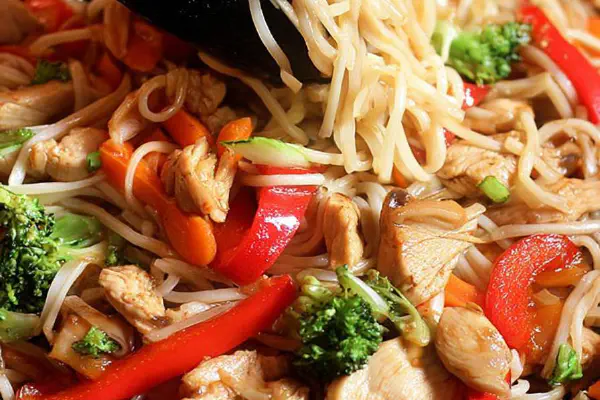
Chicken Veggie Stir-Fry
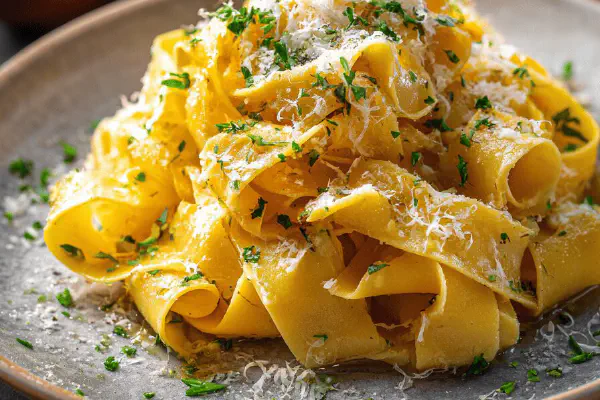
Fresh Handmade Pasta
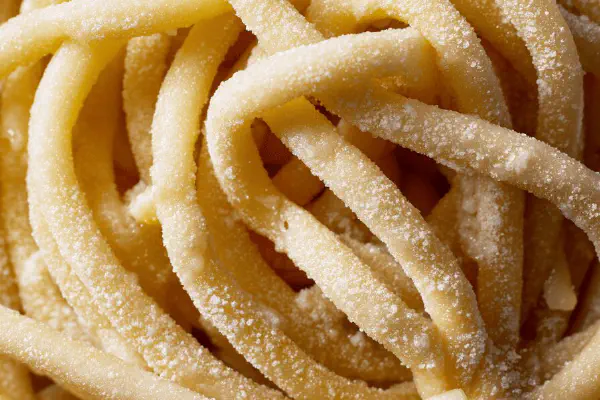
Rustic Homemade Pici
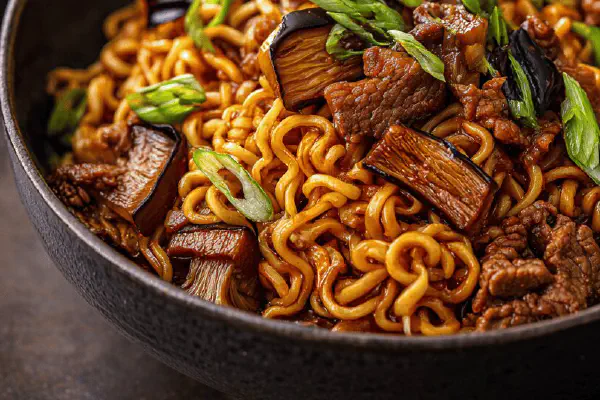
Beef Ramen Bowls with Eggplant & King Oyster Mushrooms
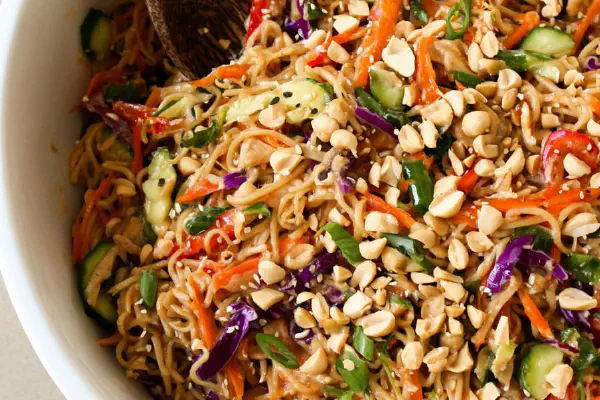
Chilled Peanut Noodle Salad
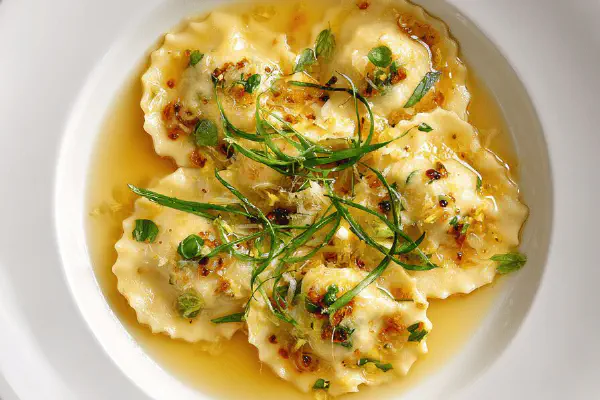
Quail Ricotta Ravioli Citrus
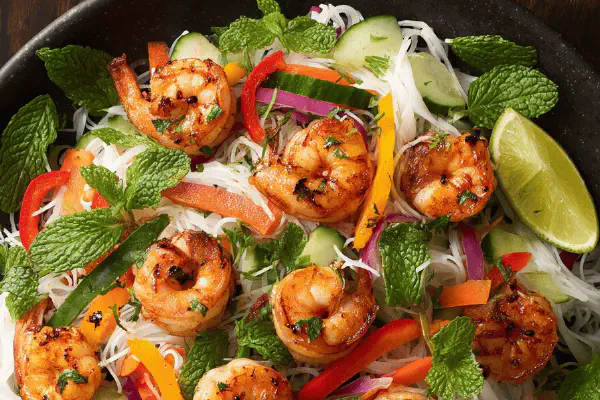
Grilled Shrimp Spring Roll Salad
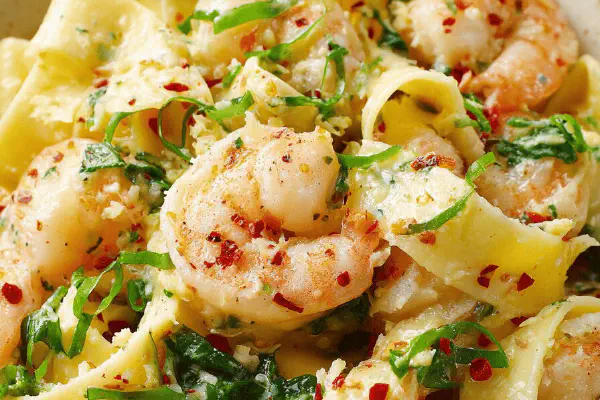
Lemon Shrimp Pappardelle Twist
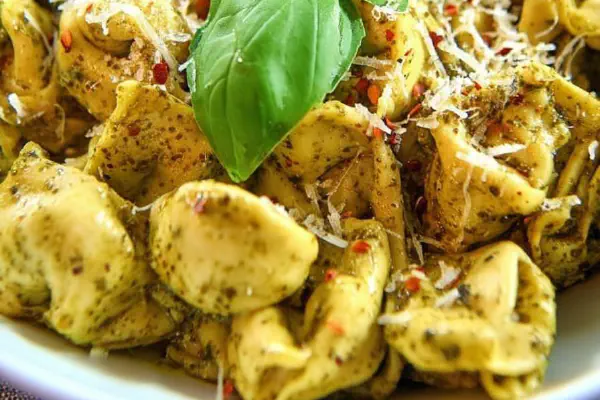
Spinach Ricotta Tortellini Pesto
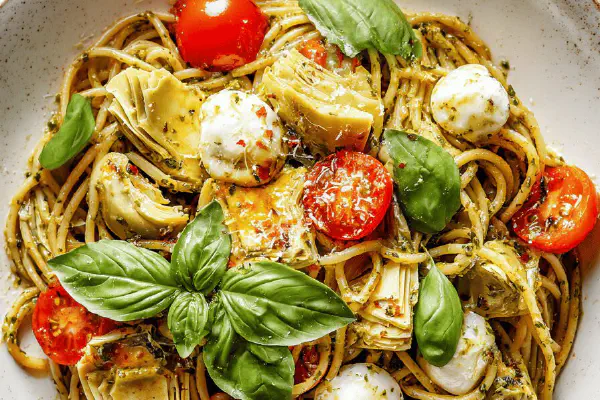
Spaghetti with Pesto Artichokes
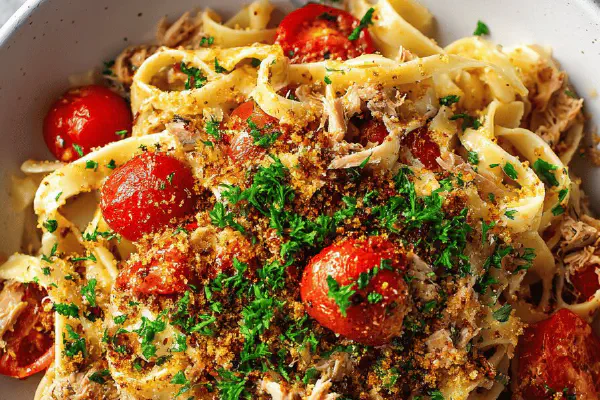
Anchovy Tuna Fettuccine Twist
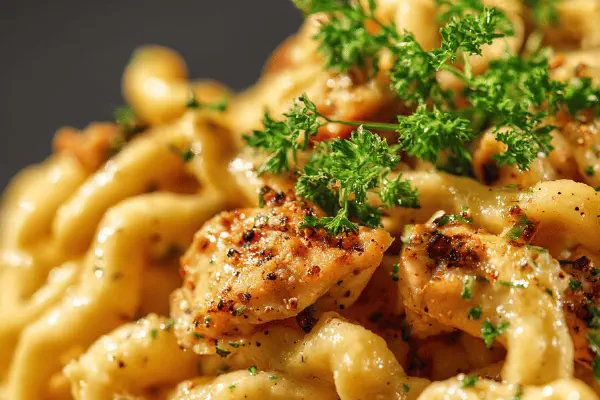
Twisted Spätzles
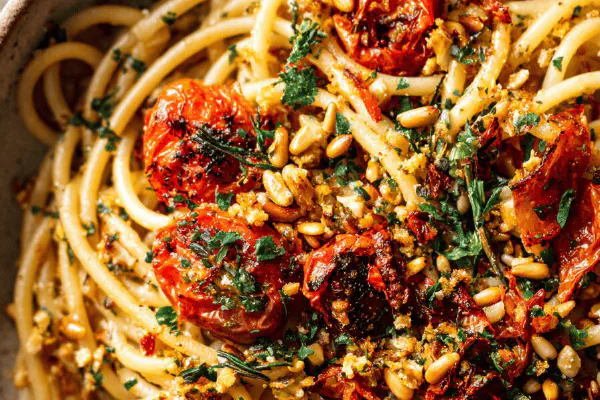
Cherry Tomato Pasta Gremolata
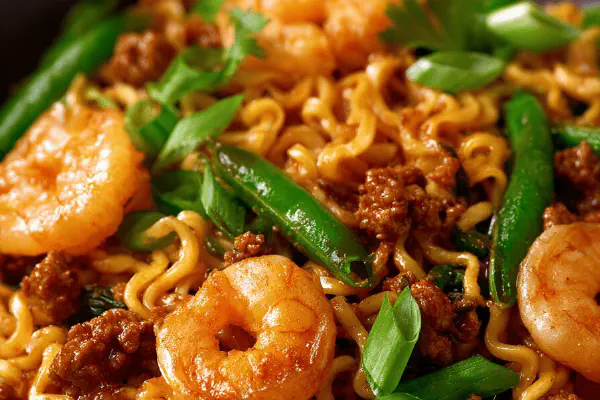
Spicy Pork Shrimp Ramen
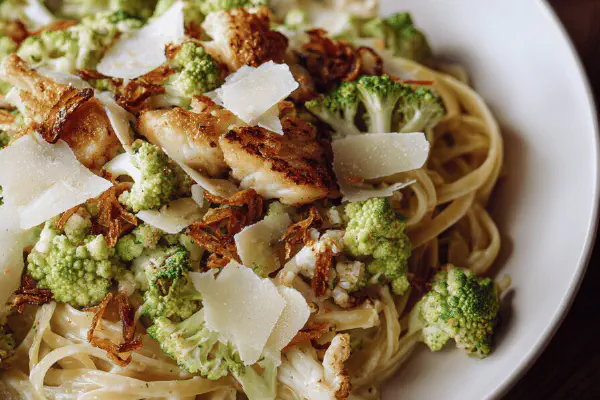
Garlic Cream Linguines Twist
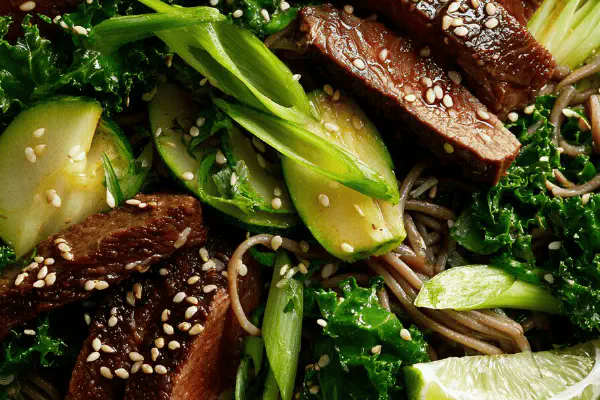
Soba Noodle Beef Salad Air Fryer
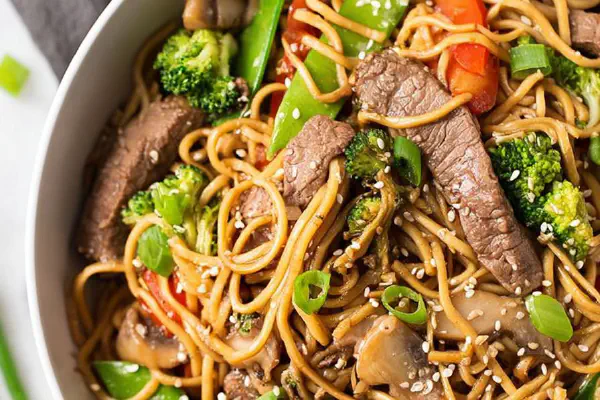
Beef Lo Mein Remix
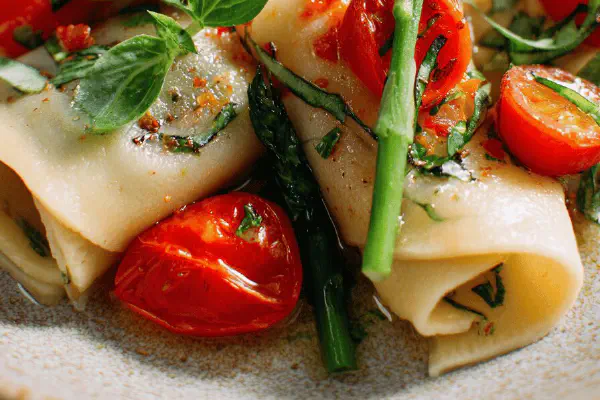
Rustic Tomato Basil Pici
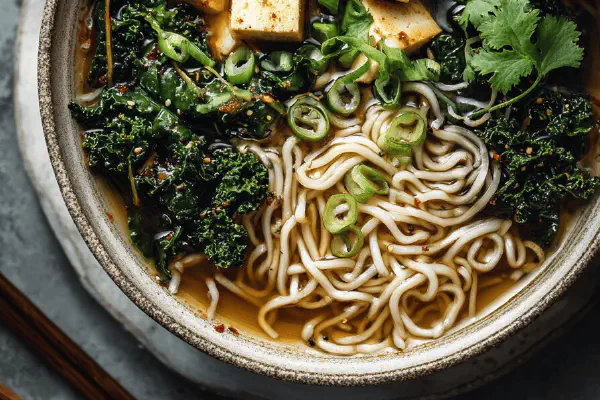
Tofu Kale Broth
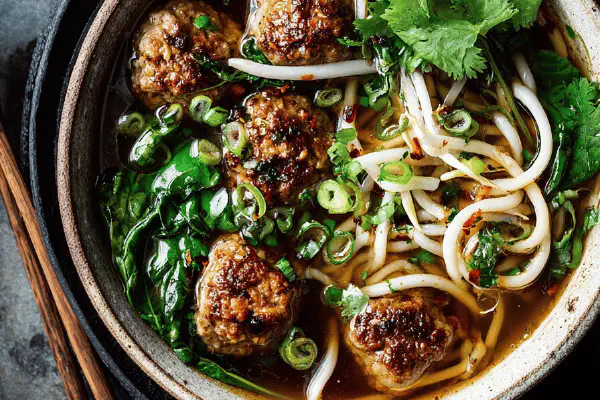
Quinoa Pork Meatball Soup
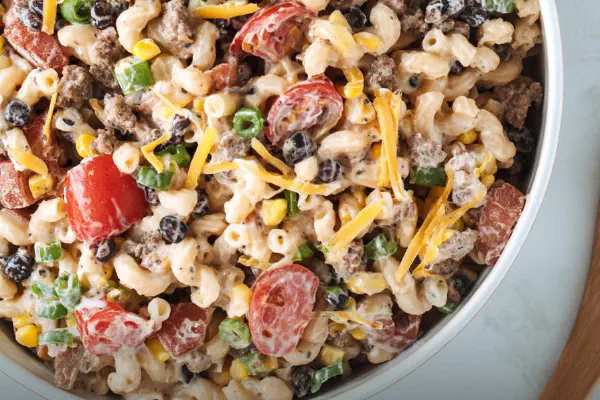
Spiced Cowboy Pasta Salad
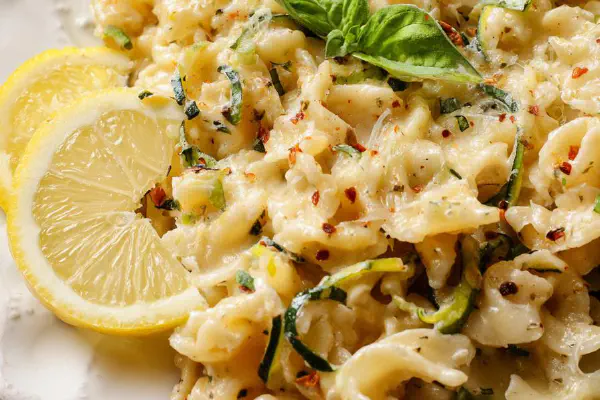
Zucchini Lemon Fettuccine
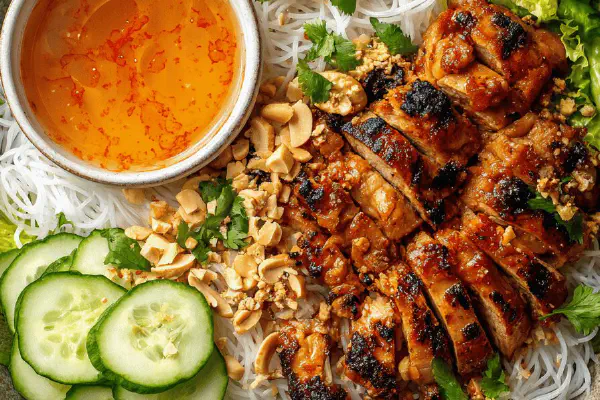
Vietnamese Grilled Chicken
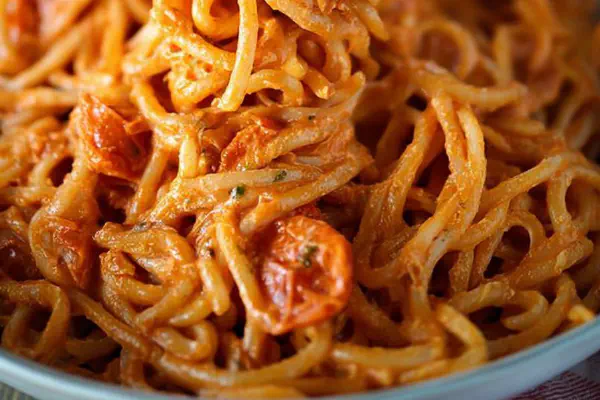
Tomato Garlic Cream Pasta
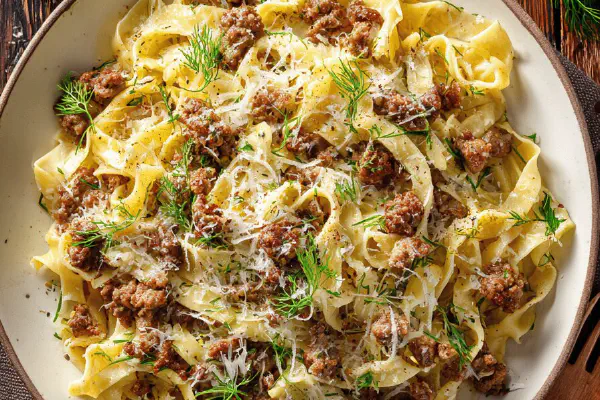
Egg Noodles with Spiced Lamb
About the ingredients
Shallots add subtle sweetness over onions; if unavailable, use a mild white onion but reduce quantity. Garlic needs to be fresh, avoid pre-minced; harshness dulls after blending. Artichokes – jarred or canned work; drained well to reduce watery dilution. Meyer lemons are seasonally variable; in their absence, regular lemons save but use less juice to prevent astringency. Salt choice matters for layering saltiness; coarse sea salt preferred for gentle dissolution and seasoning control. White pepper chosen here for milder heat and color preservation; black pepper uses more assertive spice and dark flecks in sauce. Olive oil quality affects finish; extra virgin preferred for fruitiness but a neutral light olive oil works in pinch. Pasta – cavatappi used for ridged tubes to trap sauce; rigatoni or fusilli similar. Pine nuts toasted dry until fragrant – listen for faint pop, aroma will deepen and turn warm brown, don’t let them burn or sauce bitterness arises. Sun-dried tomatoes ideally oil-packed for softness and preservation; dry-packed can be soaked in warm water to soften. Cheese swap: pecorino Romano offers sharp, salty profile that complements lemon and artichoke; Parmesan can replace if pecorino is unavailable but use less salt in seasoning beforehand.
Method
Technique Tips
Pulse shallots and garlic until finely chopped but retain texture; over-processing creates pasty mush leading to uneven mouthfeel. When adding artichokes and lemon zest and juice, pulse briefly to keep chunks intact; the differences in sizes create a rustic feel important for each bite. Drizzle olive oil slowly instead of dumping to prevent oily pooling; pulsing just enough to bind without liquefying keeps the pesto clinging to pasta. Boil pasta in salted water until just underdone; after draining residual heat completes cooking with pesto, preserving chewiness. Warm sauce gently - watch for aromas releasing from lemons and garlic; avoid aggressive heat which will curdle citrus oils and impart bitterness. Toast pine nuts low and slow; listen for little pops and watch color changes to golden. Mix ingredients off heat to maintain freshness and prevent cheese from separating or clumping. Serve immediately for best texture and aroma retention. Chill leftovers covered tightly; when reheating, add splash of water or oil to loosen before tossing with pasta. Common mistake: overcooking pasta or overheating sauce kills brightness and texture. Efficiency: prep pesto first, boil pasta while toasting pine nuts and chopping add-ins, then final toss all together.
Chef's Notes
- 💡 Chop shallots and garlic carefully. Too fine and you'll lose bite; too coarse means raw notes overpower. Control the texture for layered flavors.
- 💡 When pulsing artichokes, lemon zest, and juice, aim for coarse chunks. Don't blend too much. Want rustic feel and variance in each bite. They will hold the sauce.
- 💡 Looking for good pine nuts? Toast them low heat until fragrant. Listen for pops, deep aroma comes next. Burnt will ruin balance. Watch color closely.
- 💡 Boil salted water for pasta; cook till just shy of al dente. Drain but don’t rinse; it will finish cooking in sauce. Keep that chewiness intact.
- 💡 Warm the pesto on medium-low just until aromatic; don’t boil. Citrus bitterness can ruin the whole dish. Gentle heat retains brightness and flavors.
Kitchen Wisdom
Can I use regular lemons instead of Meyer?
Yes, regular lemons work. But cut juice by 1/4 to avoid sharp tang. Adjustment is key to flavor.
What if I can't find cavatappi?
Rigatoni or fusilli are suitable alternatives. Aim for shapes that hold sauce well; flat pasta fails at that.
How to fix overcooked pasta?
If it’s mushy, consider adding sauce slowly. It can sometimes salvage texture. Use on purpose for creamy dishes.
How long can I store pesto?
Chill it up to 2 days. Rewarm gently. Add splash of water or oil if it thickens too much. Keep flavors fresh.
You’ll Love These Too
Explore all →
Spicy Butter Buffalo Sauce

Cauliflower Cream Verrines
Vietnamese Grilled Chicken
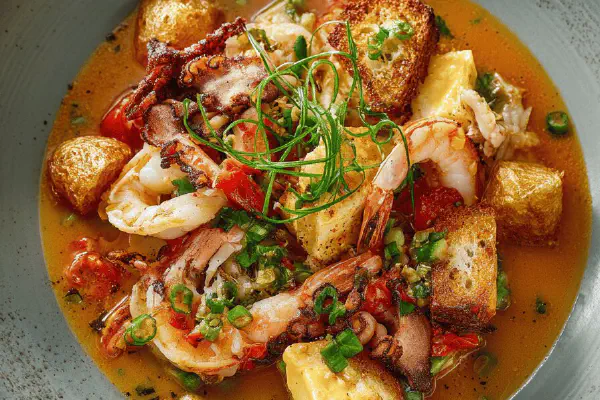
Rustic Bouillabaisse Variation
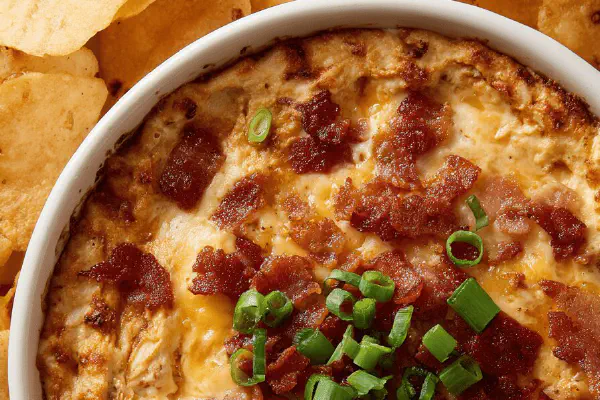
Smoky Cheddar Bacon Dip
Pickle Pasta Salad Remix

Soft Oat Chocolate Chip Cookies Light
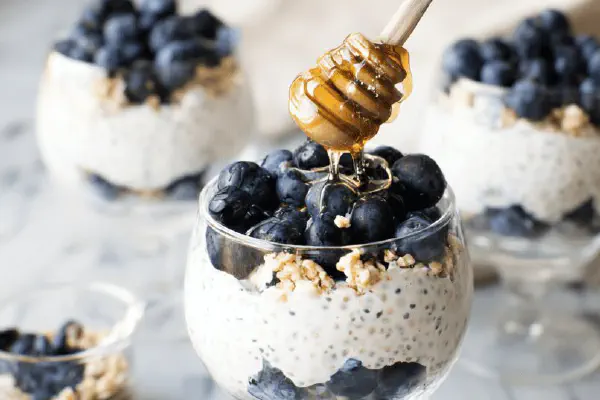
Berry Quinoa Parfait Remix

Molasses Ginger Galettes
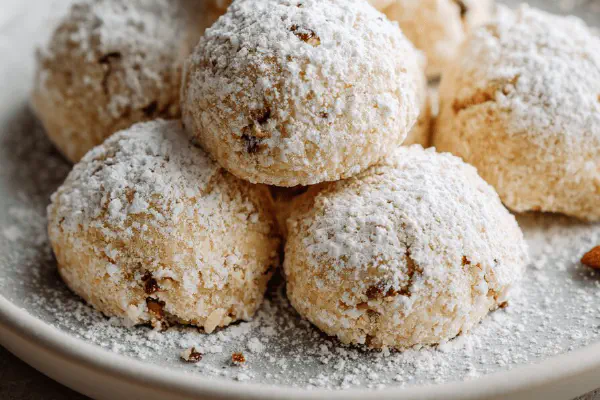
Almond Snowball Cookies
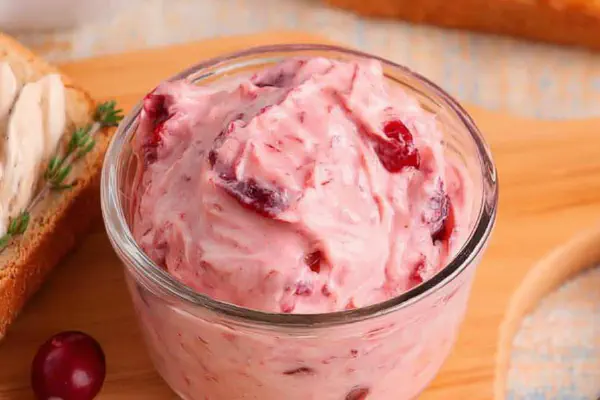
Tangy Cranberry Aioli
Chunky Tomato Sauce Twist
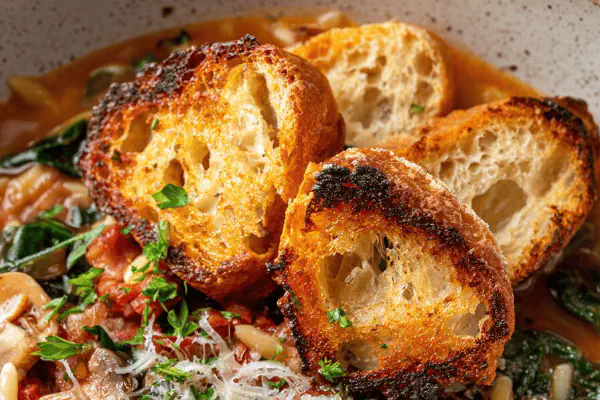
Swiss Chard & Orzo Soup
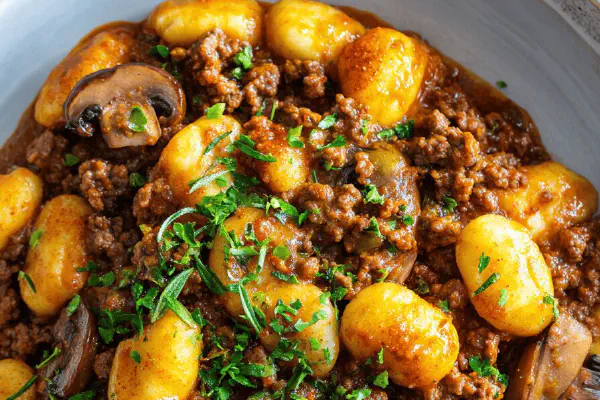
Beef Gnocchi with Rosemary
Turkey Roast Stuffed Pear Cranberry
Silky Chocolate Cream Pie

Banana Almond Muffins
Grilled NY Steaks with Brown Butter Cream
Beef Steak with Crispy Potato Zucchini
Spiced Mexican Tofu Scramble

Twisted Baked Rigatoni

Caramel Apple Cupcakes Remix

Grapefruit Ginger Tonic
Air Fryer Spiced Cabbage Steaks
Pistachio White Chocolate Spread

Frozen Tropical Rum Mix
Spaghetti Squash Asian Pork Stir-Fry
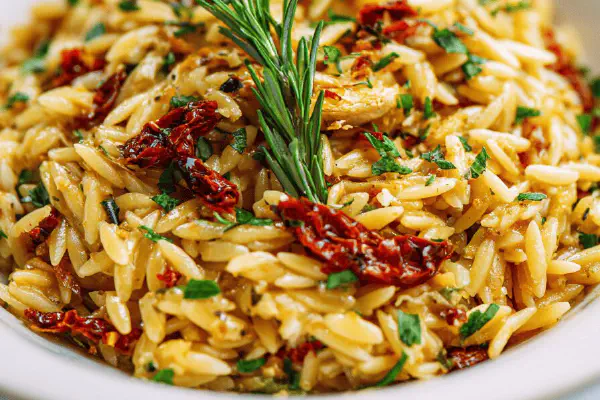
Orzo with sun-dried tomatoes

Herbed Ricotta Tomato Tartines