Featured Recipe
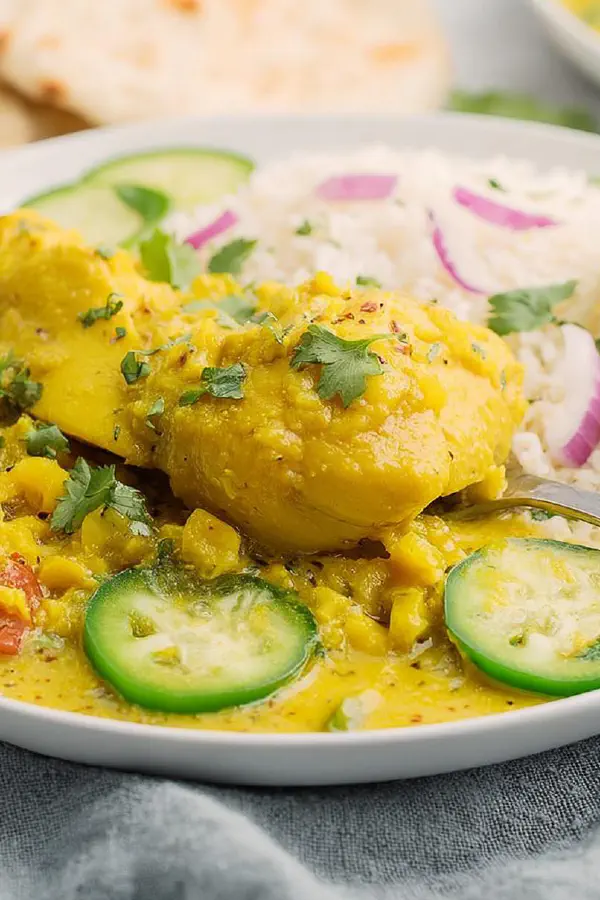
Zesty Chicken Curry Twist
By Kate
"
Chicken breasts seared till golden then rested. Sautéed shallots, ginger, and serrano create a fragrant base, simmered with coconut cream and fresh herbs. Lime juice agitates browned bits for depth. Cornstarch thickens the sauce into a creamy, clinging coat. Sweet peas swap for corn; mint replaces basil for a fresher punch. Simmer gently to meld, watch textures, aromas, and color for doneness indicators. A quick, practical, flavor-forward curry riff with reliable techniques and tweaks for home cooks aiming for controlled, sensory-driven results.
"
Prep:
18 min
Cook:
17 min
Total:
35 min
Serves:
2 servings
curry
chicken
coconut
easy dinner
Introduction
Start with basics only. Chicken breasts, no fuss—seasoned well. Searing not just for color—locks flavor moisture. Take your time—don’t rush the crust, hear that firm sizzle? Every golden second counts. Toss in shallots—not onions to prevent harshness, soften till translucent but hold shape. Garlic and serrano ramp up the aromatics; sharp and spicy but balanced. Lime juice not just for zing but releases all those fond bits, luminous paste forms. Adding fresh ginger and dry curry powder here lets spices bloom—toast enough to awake those essential oils. A small cornstarch dust thickens sauce without heavy textures. Coconut cream brings fat for silkiness, simmer low; keep bubbles gentle. Return chicken to soak, add sweet peas for contrast, mint for brightness. Five to six minutes of gentle simmer melts flavors; flipping chicken ensures even coating. Finish with flaky salt for bursts of crunch and lift. Served with a vibrant cilantro-lime coconut rice, adding cleansing acid and herb bite. Technique matters—don’t overcook chicken; keep herbs fresh. This isn’t a stew; it’s a quick curry layering tastes with respect for textures and aromas. Minimal ingredients but maximum results—when you know what to feel and see, the kitchen sings.
Ingredients
About the ingredients
Swapping shallots for red onion softens the base, giving a milder, sweeter aroma less bite. Serrano works better here than jalapeno for defined heat but sub with jalapeno if you want it gentler. Mint is a bright replacement to basil; it stands up better to the creamy coconut and adds a fresh snap. Using coconut cream instead of lighter coconut milk makes the sauce silkier and clings to chicken, preventing watery curry. Cornstarch is optional but recommended; helps thicken quickly without grainy texture. Sweet peas take the place of corn for clear pop of sweetness and keep the dish light. The oil choice matters: vegetable or avocado oils handle medium-high heat well without smoking, don’t use butter—it burns fast in curry bases. Using fresh ground curry powder preserves aromatic oils, powdered spice bought from shelf lacks intensity. Lime juice here doesn’t just flavor but acts as a natural pan deglazer, lifting those tasty brown bits, contributing complexity. Maldon or fleur de sel flakes finish the dish with a crunchy touch and flavor pop, avoid fine salt here or salt blends that dissolve too quickly or taste harsh.
Method
Technique Tips
Heat your pan before the oil to prevent sticking and to create a proper sear on chicken. Pat chicken dry to avoid steaming and to allow crust formation. The brown crust is taste gold—don’t stir or move chicken too soon. Removing chicken after the crust prevents overcooking, resting keeps juices trapped. Sauté the aromatics over medium heat, avoid browning or burning shallots/garlic; you want softness and aroma. Lime juice added into aromatics scrapes the fond—essential for deep curry flavors. Dry spices and ginger are toasted briefly to unlock oils but don’t burn or sauce will be bitter. Add cornstarch here to bind the sauce once the coconut cream hits; thickens sauce as it simmers. Coconut cream must be added gradually; too cold or too much at once could clump. Low simmer avoids curdling or separating coconut fats. Adding herbs and peas last preserves their texture and fresh flavor bursts. Basting keeps chicken moist and infuses flavors. Simmering too long wilts fresh herbs and over-softens texture; watch consistency and aromatics for timing cues. Final flake salt elevates flavors and adds pleasant crunch contrast. If sauce gets too thin, increase heat briefly to reduce; add cornstarch slurry if needed, but add sparingly to avoid gluey texture.
Chef's Notes
- 💡 Chicken breasts; dry well. Use paper towels. Creates a better sear. No crowding in pan. You'll hear sizzle. Important—don’t check often. Crust texture; wait for that golden-brown color.
- 💡 Shallots over onions. Less sharpness, more sweetness. Aromatics—don’t rush. Sweat them down till translucent; edges should still have texture. Garlic and serrano together amplify that aromatic punch.
- 💡 Deglazing with lime juice. Lift all those flavorful bits stuck to the bottom. Essential for adding depth. After adding ginger and curry, toast spices but don’t burn. Burnt flavor ruins the dish.
- 💡 Coconut cream must be warmed before it hits the pan. Keeps it from clumping. Gradual addition helps. Low simmer—maintain gentle bubbles; a too hot pan separates fats. Control heat well.
- 💡 Baste chicken while it simmers. Spoon sauce over, keeps moisture in. Look for opaque flesh—indicator for doneness. Mint added last preserves freshness. Bright flavor cuts through richness nicely.
Kitchen Wisdom
Why does chicken always dry out?
Timing is key. Don’t cook all at once. Remove before fully done; residual heat helps. Watch for opaque color.
What if sauce is too thin?
Use cornstarch slurry. Mix with water first. If too much liquid, raise heat briefly. Reduces sauce quickly.
Can I replace mint?
Yes, parsley or cilantro work. Use what’s fresh. Mint shines here though; flavor balance shifts.
How to store leftovers?
Cool before sealing tightly. Fridge okay for 3 days. Freezing works too; separate for better texture when reheating.