Featured Recipe
Zesty Italian Seafood Salad
By Kate
"
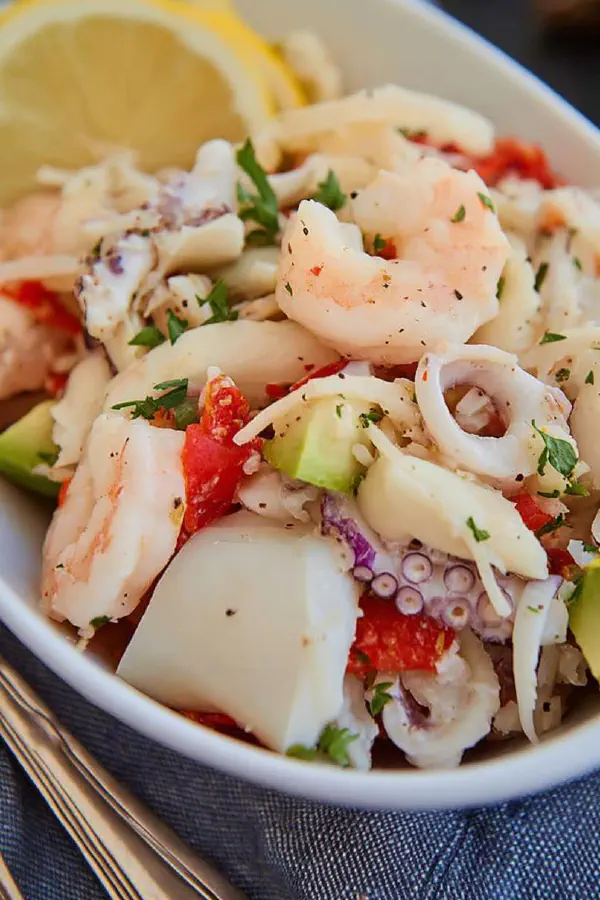
A chilled mix of shrimp, octopus, and lump crab meat tossed with crunchy fennel, smoky grilled sweet pepper, and bright lemon juice in olive oil. A seafood salad relying on freshness, the sharp snap of celery is swapped with aniseed crunch. Red pepper flakes for heat adjusted with a touch of smoked paprika for depth. Rested nearly a day for flavors to marry. Simple, yet layered with texture and subtle smoky undertones, great for make-ahead meals or summer days.
"
Prep:
20 min
Cook:
5 min
Total:
25 min
Serves:
4 servings
seafood
salad
Italian cuisine
make-ahead
Introduction
Seafood salads are a test in freshness and timing, not just tossing ingredients together. Too long chilling? Seafood dulls and texture suffers. Not long enough? Flavors stay flat. The keys—lean on the crunch of fennel instead of celery to give a clean anise hint under the usual. Swap calamari with tender octopus, for that soft chew but different mouthfeel. Crab stays lump, chosen carefully to avoid bitter bits or shells ruining the bite. Roast your red peppers ahead—this adds that smoky layer plain jarred peppers don’t give. Lemon juice hits the seafood’s sweetness just right. Olive oil not just slicks but blooms spices over hours. When shrimp finish cooking, immediate cold plunge stops carryover cooking. No rubbery shrimp. Measuring time? Better with sight, bite, feel the fennel soften but not limp. Chill close to but not over 16 hours, so the salad keeps freshness but melds flavors. All easy, but done right makes the difference between a sloppy plate and something balanced across textures and tastes.
Ingredients
About the ingredients
Shrimp can be replaced with spot prawns, or scallops if you prefer a sweeter tone. Octopus is tricky—frozen done well, fresh preferred if available; substitute calamari if octopus unavailable or texture issues. Lump crab meat matters—buy fresh or pasteurized from reputable sources to avoid shell fragments or grit. Fennel swaps celery’s crunch and refreshes with slightly licorice nuance. Grilled sweet red pepper keys the salad, avoid bottled roasted peppers if oily or overly vinegary; fresh grill or roast your own in advance. Red pepper flakes control the heat level; smoked paprika is an optional addition to bring subtle smokiness without overwhelming. Use extra virgin olive oil with fresh grassy herbaceous notes for brightness, not heavy or grassy oils. Lemon juice should be fresh squeezed, not bottled, to avoid off flavors. Always taste at final stage, adjust salt, acid, or heat accordingly. If crab meat is tough or fishy, rinse lightly and pat dry to prevent off flavors.
Method
Technique Tips
Start with cooking shrimp properly. The water needs to be at brisk rolling boil; shrimp cooks fast—when turning from translucent gray to pink and opaque, cool immediately to avoid rubbery texture. If octopus is frozen, blanching softens connective tissue; slice thin so it doesn’t dominate texture. Fennel needs time with lemon and salt to soften sharp edges and release juice, giving a pleasant aromatic bite. Combine all ingredients with care—crab meat so delicate; toss gently to avoid mashing. Cover tightly to prevent absorbing fridge odors, refrigerate between 11 to 16 hours; less than 11 means flavors not married, more than 16 can dull freshness. Before plating, stir salad gently, check seasoning; cold tends to dull saltiness and acidity so adjust lightly. Serve from chilled or allow to sit at room temperature 10 minutes for flavors to open again. Pair with dense crusty bread for textural contrast, or crisp bitter greens for balance. If crushed red pepper flakes too strong, reduce or omit, replace with a few drops of chili oil for control.
Chef's Notes
- 💡 Start shrimp in boiling salted water. Pay attention—quick cooking. Pink means done. Ice bath stops cooking. Prevent rubbery texture. Cook octopus correctly: if frozen, blanch first. Fresh? Slice thin; texture matters. Use lump crab, avoid bits. Whole ingredients count.
- 💡 Fennel is key here. Thinly slice, let sit with lemon and salt. Softens sharp edges. Release aromas too. Add olive oil last. Adjust flavors before serving. Taste, tweak salt and lemon juice. Check acidity—it matters. Storing overnight enhances taste.
- 💡 Red bell pepper? Grill or roast them yourself. Bring that smoky flavor. Skip jarred peppers—they can drown flavors. Adjust heat with red pepper flakes. Control that spice based on preference. Not too overwhelming. Smoked paprika for layers.
- 💡 Watch chilling time. Minimum 11 hours, maximum 16. Less means flat flavors. More can dull freshness. Prepped well, the salad stays zesty and bright. Serve cold or at room temp—both ways work. Texture and taste stay intact.
- 💡 Consider substitutions: shrimp for spot prawns or scallops. Octopus swaps to calamari easily. If crab has off flavors, rinse it lightly. Fresh lemon juice only. No bottled stuff; keeps flavors clean. Always taste before serving—last-minute adjustments matter.
Kitchen Wisdom
How do I know when shrimp is cooked?
Watch for color change. Translucent grey to pink. Timing—2-3 minutes tops. Ice bath right away. Stops cooking. Prevents overcooking disasters.
What if I can't find octopus?
Swap in calamari. Chewy texture, still seafood. Look for frozen, quality matters. If tender, fresh is best, no rubber. Adjust cooking time to avoid toughness.
What should I do if the seasoning is off?
Start with a taste. Too bland? Add salt or lemon juice. Sour? Balance acidity with a touch of sugar, honey. Always adjust in small increments.
Can I store leftover seafood salad?
Yes, but keep it cold. Seal in airtight container. Best eaten within 2 days. Beyond, flavors dull. Texture changes too. Note—seafood quality declines fast.